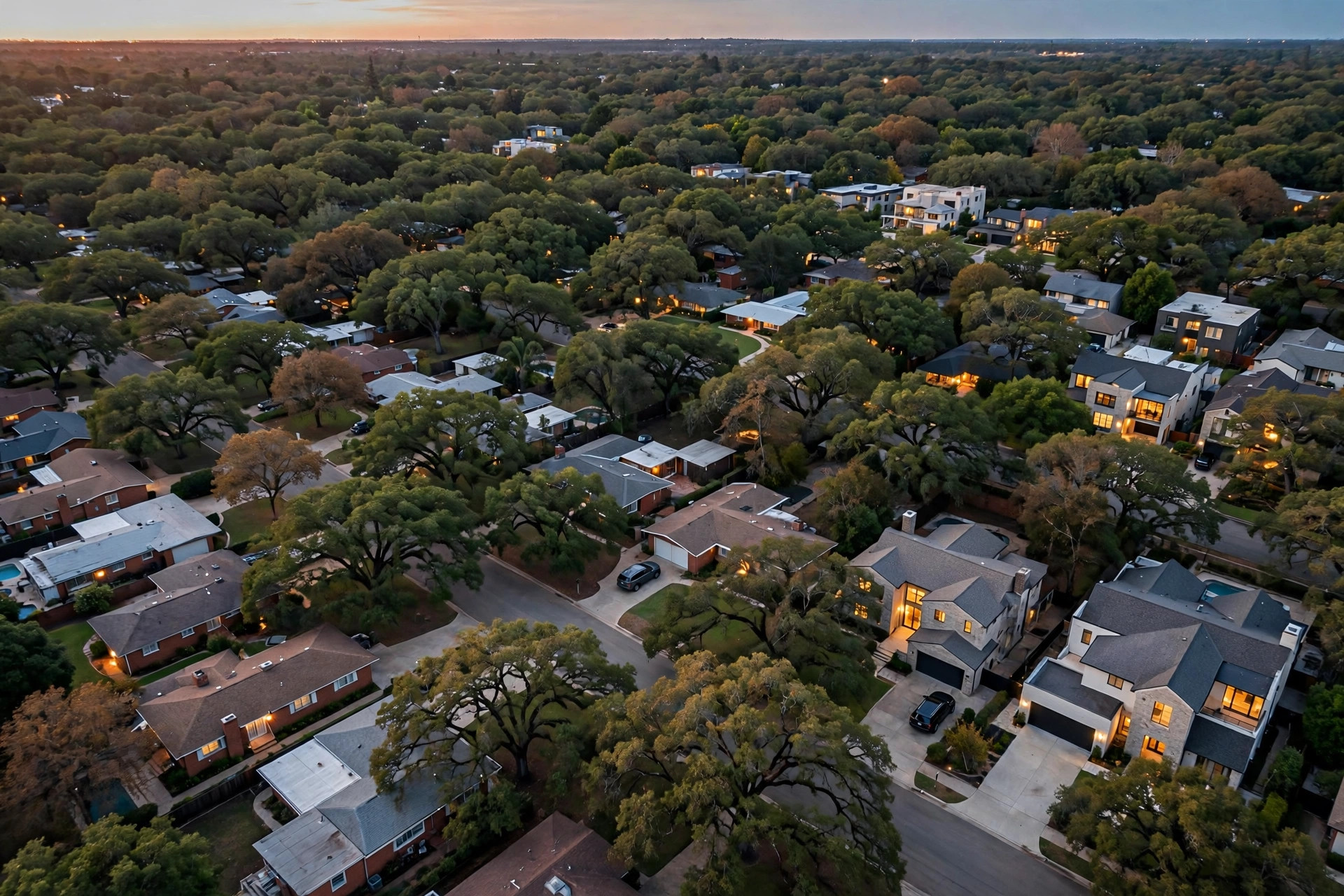
Most Palma Ceia sellers wait for spring because that is when residential listings peak. Builders do not buy on that calendar. In the 33629 core, 41 of the 53 tracked older homes went to builders off-market, a 77.4% builder-acquisition rate that makes this the number one builder-acquisition market in the study, and those buyers run on acquisition pipelines, permit timelines, and end-of-year targets, not open houses. This guide maps the builder buying calendar in Palma Ceia, shows which months favor builder-market sellers, and gives you the timing moves that turn the calendar into money.
What Builder Buying Season Means
Builder buying season is when builders in a builder-acquisition market are most actively acquiring lots, driven by construction schedules rather than listing seasonality. Builders buy land to fill a pipeline: as a current project nears completion, when permitting opens a window, or when a quarterly acquisition target must be met. For a Palma Ceia seller, the best time to sell is whenever a builder has an empty slot, which often falls in months when residential listings are quietest.
Key number: 77.4%. That is the share of older-home sales in the 33629 sample that went to builders off-market, according to Legacy Off-Market's study of off-market builder acquisitions. Your buyer pool is overwhelmingly builders, so their calendar matters more than the listing calendar ever will.
The distinction matters because sellers instinctively copy the advice written for owner-occupant sales. That advice assumes a buyer who shops in spring, tours on weekends, and makes emotional decisions. Your buyer runs a spreadsheet. When you sell on the builder calendar, you are negotiating with someone who has a deadline, a budget line, and a crew that needs its next job.
How the Builder Calendar Differs From the Listing Calendar
The residential listing calendar peaks in spring and early summer, when families want to move before the school year. The builder calendar peaks around acquisition cycles: many builders plan their lot purchases in late fall and winter so permits can be filed before the summer construction window, and again in early spring when annual budgets are released. For builder-market sellers, this means the two calendars overlap only partly, and the gap between them is where your leverage lives.
The National Association of Realtors' 2025 Profile of Home Buyers and Sellers puts the median time on market at four weeks, one week longer than the prior year (National Association of Realtors, 2025). That lengthening reflects a slower residential market. Builders, by contrast, buy on their own timeline regardless of the listing market, because land acquisition is a production input, not a lifestyle choice. When the listing market slows, builder demand for infill lots in proven neighborhoods like Palma Ceia typically holds, since the end product, new construction at roughly four times the old-home price, still clears.
Bottom line: list in spring if you want crowds. Sell to a builder in fall or winter if you want a buyer with a budget that must be spent.
The practical implication is simple. In spring, you compete with every listed home for buyer attention, and builder buyers are no exception. In November through February, listing inventory in Tampa's inner neighborhoods thins out, while builders are still working through annual acquisition plans. A seller who reaches out in December is often the only conversation a builder is having about a Palma Ceia lot that month.
Why Winter Favors Builder-Market Sellers
Winter favors builder-market sellers for three structural reasons: builders face annual lot targets, construction crews need continuity, and sellers who list in winter face less competition. In Tampa's mild climate, construction never stops, so builders keep acquiring through the winter months, unlike cold-weather markets where ground work freezes. A builder who needs three more lots to hit an annual plan by December is a motivated buyer in a way a spring shopper is not.
Consider the arithmetic. Older homes in the 33629 sample sold for just 26.3% of new-build prices on average, which means the finished product on your lot commands roughly four times what the standing house sells for. That margin survives seasonal wobbles in the resale market. A builder pricing your lot in December uses the same residual math as in May: expected new-home price, minus build cost, minus margin. The winter advantage is not a higher valuation, it is a buyer with fewer options and more urgency.
What this means for you: if your timeline is flexible, run your builder conversations from October through February. You will find more motivated buyers and less noise than in the spring crush.
The National Association of Realtors' 2025 data also shows that homes sitting longer on the market sell at deeper discounts to their asking price: the longer a home stays listed, the greater the discount from the listing price at sale (National Association of Realtors, 2025). A winter sale to a builder sidesteps this entirely: there is no listing, no days on market, and no public price history to anchor your negotiation downward.
Action 1: Find Out When Local Builders Set Acquisition Targets
Ask every builder you talk to a simple question: when does your buying year run? Some builders work on calendar years, others on fiscal years ending in different months. The final 60 days before a target date are when acquisition teams have the most pressure and the most latitude on price. Your goal is to have your lot in front of them during that window, not three months after they filled their quota.
This works because price is a function of need. A builder who has already hit the year's lot target will make a polite, low offer. A builder who needs two more lots before the reporting date will stretch, because the cost of missing the target, idle crews, lost momentum, is higher than the premium on your lot. In a market like Palma Ceia, where 41 of 53 tracked older homes went to builders, most active buyers here have explicit targets.
Watch out: do not mistake a builder's expressed urgency for your obligation. Their target date is their problem to solve, and it is exactly what gives you leverage. Let them solve it with your price.
Action 2: Sell Into the Spring Rush Without Listing in It
The spring rush raises new-construction prices, which raises residual land values, because builders price your lot backward from what they will sell the finished home for. The smart builder-market seller captures this effect without listing: negotiate your sale in January or February against spring new-build comps, then close before the listing inventory floods in. You get the spring valuation without the spring competition.
This requires understanding which comps drive builder math. Builders in Palma Ceia price from recent new-construction sales within a few blocks, not from old-home resales. When you bring the conversation to new-build comps from the most recent strong season, you anchor the residual math at its peak. The full breakdown of how these comps work in this neighborhood is in the Palma Ceia research report, which maps the old-to-new price gap block by block.
Bottom line: your timing strategy is to sell the promise of spring at winter prices for effort, meaning you negotiate when builders are buying and close before residential competition dilutes attention.
A concrete sequence: request competing bids in early January, when builders are staffing up acquisition for the year. Give a two-week decision window. Close in February or March, or use a leaseback to stay until your own move is ready. The builder gets the lot in time for the construction season, and you get a price set against peak new-build comps.
Action 3: Use the Quiet Months to Create Competition
Fewer listings in winter does not mean fewer builders, but it does mean builders hear from fewer sellers. That scarcity of supply is your advantage, but only if you convert it into competition. Reach out to at least three active Palma Ceia builders in the same two-week window, on the same lot data, and tell each one you are collecting bids by a fixed date.
Competition is the mechanism that turns a timing advantage into dollars. A builder who knows he is the only bidder will bid like it. A builder who knows two others are pricing the same lot this week bids like that instead. The timing edge multiplies the competition edge: in winter, each bidder already has more urgency, and the presence of rivals removes the option to lowball.
The same dynamic shows up in builder-heavy pockets across Florida. In Old Naples, where 37 of 52 tracked older homes went to builders off-market for a 71.2% builder-acquisition rate, sellers report the same pattern: winter bidding windows with two or three active builders produce tighter spreads and higher top bids than one-off summer approaches. See how a fellow high-builder-demand Florida market prices builder demand in the Old Naples batch-3 guide.
Comparison: Selling by Season
Every season brings a different buyer mix and a different negotiating position for a Palma Ceia builder-market seller. Spring offers peak new-build comps but maximum noise, while fall and winter pair motivated builders with thinning listing competition. The table below compares all four quarters on builder activity, competition, and fit, so you can match your sale to the season that serves your goal.
| Season | Builder Activity | Listing Competition | Best For | Limitation |
|---|---|---|---|---|
| Spring (Mar to May) | High, funded by annual budgets | Heaviest, most listed homes | Sellers who also want new-build comp peaks | Maximum noise; builders field many seller calls |
| Summer (Jun to Aug) | Moderate, crews committed | Moderate | Sellers with school-year timing needs | Tampa heat slows nothing, but attention shifts to vacations |
| Fall (Sep to Nov) | High, annual targets come into focus | Light and thinning | Builder-market sellers creating bidding processes | Holiday weeks slow responses |
| Winter (Dec to Feb) | High, targets and new-year pipelines | Lightest of the year | Maximum leverage; motivated buyers, few rivals | Shortest days and holidays can delay closings by a week |
Key number: the National Association of Realtors (2025) found median time on market at four weeks nationally, with longer listings selling at deeper discounts. A direct builder sale has no listing clock, which removes seasonality's penalty entirely.
The table's pattern is clear: fall and winter are the structural sweet spot for builder-market sellers. Spring remains fine, but you are working harder for the same money because every other seller is talking to your buyers at the same time.
How to Choose Your Selling Window
The right selling window depends on your priority, not on real estate tradition. Most sellers default to spring because that advice dominates the listing world, but sellers in builder-acquisition markets answer to the builder calendar. The table below maps common Palma Ceia situations, from flexible timelines to urgent moves, to the window and strategy that fit each one.
| Situation | Recommended Approach |
|---|---|
| You want the highest price and can plan ahead | Collect builder bids in October through January; close when terms suit you |
| You need to move by summer for school or work | Start builder conversations in January; close in March or April |
| A builder has already approached you | Get two more bids immediately, whatever the month; timing advantage never beats competition |
| You inherited the property and pay carrying costs | Sell in the next 90 days regardless of season; carrying costs beat any seasonal premium |
| Privacy matters and you want zero showings | Any season works for a direct sale; winter adds the bonus of fewer neighborhood eyes |
If your situation is urgent, ignore the calendar completely. The difference between the best and worst season for a builder-acquisition lot is measured in negotiating leverage, not in the fundamental math, which is the residual between new-build prices and construction costs. Competition between builders matters more than the month, every single time.
Frequently Asked Questions
These are the timing questions Palma Ceia sellers ask most, answered directly. They cover which months favor builder-market sellers, whether builders really buy in winter, how to handle an urgent sale in any season, and how timing interacts with price. If your question is not here, the acquisitions team answers timing questions every day at the number below.
When is the best time of year to sell a home in Palma Ceia?
For a builder-acquisition sale, fall through winter: builders are working annual acquisition targets with less seller competition. For an owner-occupant listing, spring still draws the most shoppers, but your buyer pool here is mostly builders.
Do builders really buy lots in winter?
Tampa construction runs year round, so builders keep acquiring in winter to keep crews scheduled and pipelines full. Winter sellers often find more motivated buyers and fewer competing sellers than in spring.
Should I wait for spring to get a better price?
The fundamental price of your lot comes from new-build comps minus construction costs, which does not swing wildly by season. Waiting costs you carrying expenses and risks a market shift, so the seasonal edge rarely justifies delaying a real offer.
How long does a direct sale to a builder take?
Seven to 21 days from signed contract to funded closing is standard, since there is no buyer financing contingency or appraisal of the structure. You can also negotiate a longer close or a leaseback if you need months to relocate.
Does listing in spring ever make sense for a builder-acquisition sale?
Only if you believe an owner-occupant would genuinely outbid builders for your specific house, which is rare when 77.4% of older sales go to builders off-market. Otherwise spring listing just adds commissions and months of showings to reach the same builder buyers.
What if I need to sell immediately, regardless of season?
Sell now, because a good bidding process between two or three builders in any month beats waiting for the perfect season with a single buyer. Urgency on your side does not change the lot's math, it only changes your negotiating posture.
How do I find out which builders are actively buying in Palma Ceia?
Look for the names on recent new-construction permits near your street, and check the Hillsborough County Property Appraiser's records for recent lot sales to builder entities. Then ask each builder directly how many Palma Ceia lots they bought last year.
Do builder offers change with interest rates?
Rates affect what the finished new home will sell for, which feeds the residual math on your lot, but builders in the 33629 core have kept acquiring through rate cycles. The old-to-new price gap here is wide enough to absorb the movement, so creating competition matters more than timing rates.
Can I sell in winter and stay in the house until spring?
Yes, through an extended closing or a leaseback after closing. Builders regularly agree to delayed possession when it wins them the lot, and it costs you nothing to ask for it in the bid terms.
Is the holiday season too slow to bother?
Response times can stretch a week around the holidays, but acquisition teams still work. Start conversations in early December and you will often be negotiating in January against builders with fresh annual budgets and empty pipelines.
How Legacy Off-Market Sources Your Timing-Based Off-Market Deal to Builders
Legacy Off-Market is a wholesaler that buys year round, on the builder calendar: the company buys directly from you off-market, then places the deal with vetted builders. It evaluates your lot against current new-build comps, makes a principal offer with proof of funds, and closes on your timeline, whether that means 7 days in January or a delayed close with a leaseback into spring. There is no listing clock, so the season never discounts your price.
The five advantages over waiting for the spring listing market are measurable. Privacy: zero showings, zero open houses, no public marketing period, so the neighborhood never watches your sale. Timing: close in 7 to 21 days when speed matters, or months out with a leaseback, versus 60 to 120-plus days for a listed older home. No commissions: none of the typical 5 to 6% that National Association of Realtors (2025) data still shows sellers paying. No closing costs: none of the usual 1 to 2% in seller-side costs; commissions plus closing costs commonly exceed $40,000 on a $650,000 transaction. No inspections or repairs: no $10,000 to $30,000 in repair credits or price reductions, because the structure is not what is being valued.
Call 401-219-4207 or email aidansowa@outlook.com to talk through where your lot sits on the builder calendar. Check the coverage page to confirm your ZIP, and read how the methodology works to see how the builder-acquisition numbers behind this guide were built.
Sources
- National Association of Realtors, 2025. Key Takeaways from NAR's 2025 Profile of Home Buyers and Sellers. Industry report.
- Hillsborough County Property Appraiser, n.d. Parcel records: recent lot sales and new-construction activity in 33629. Official record.