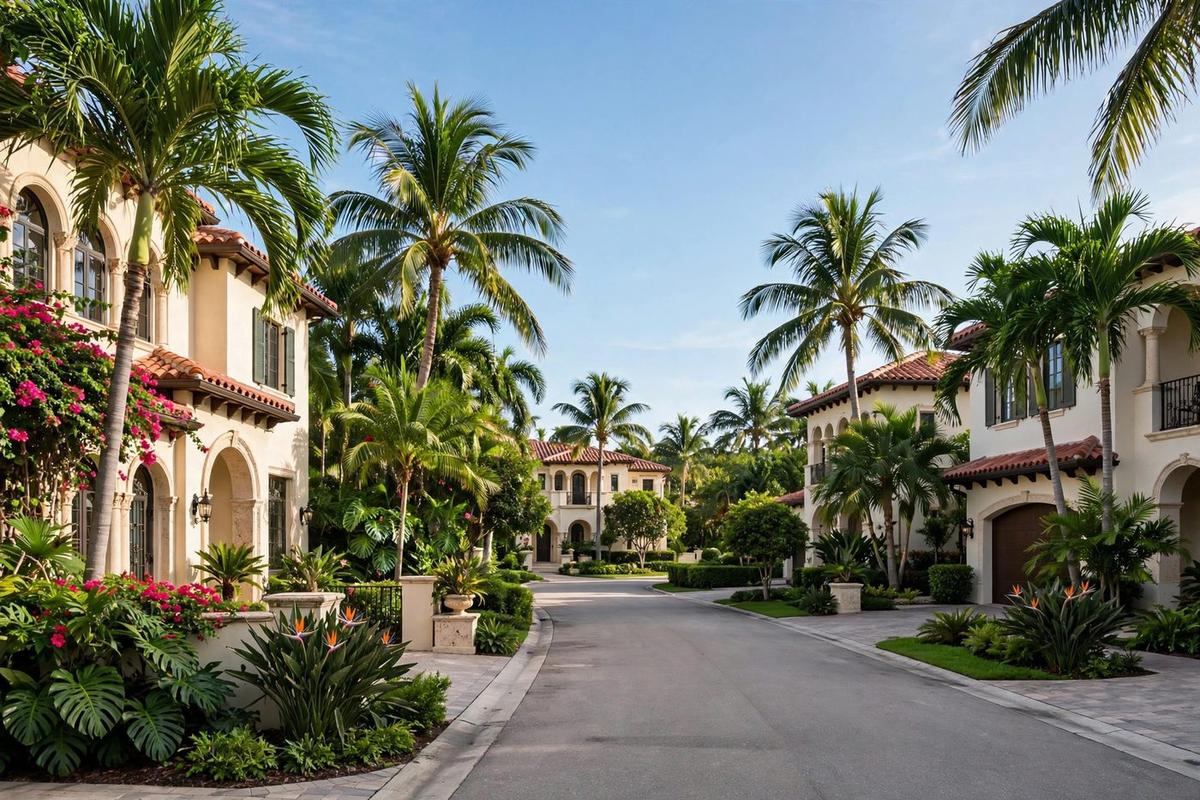
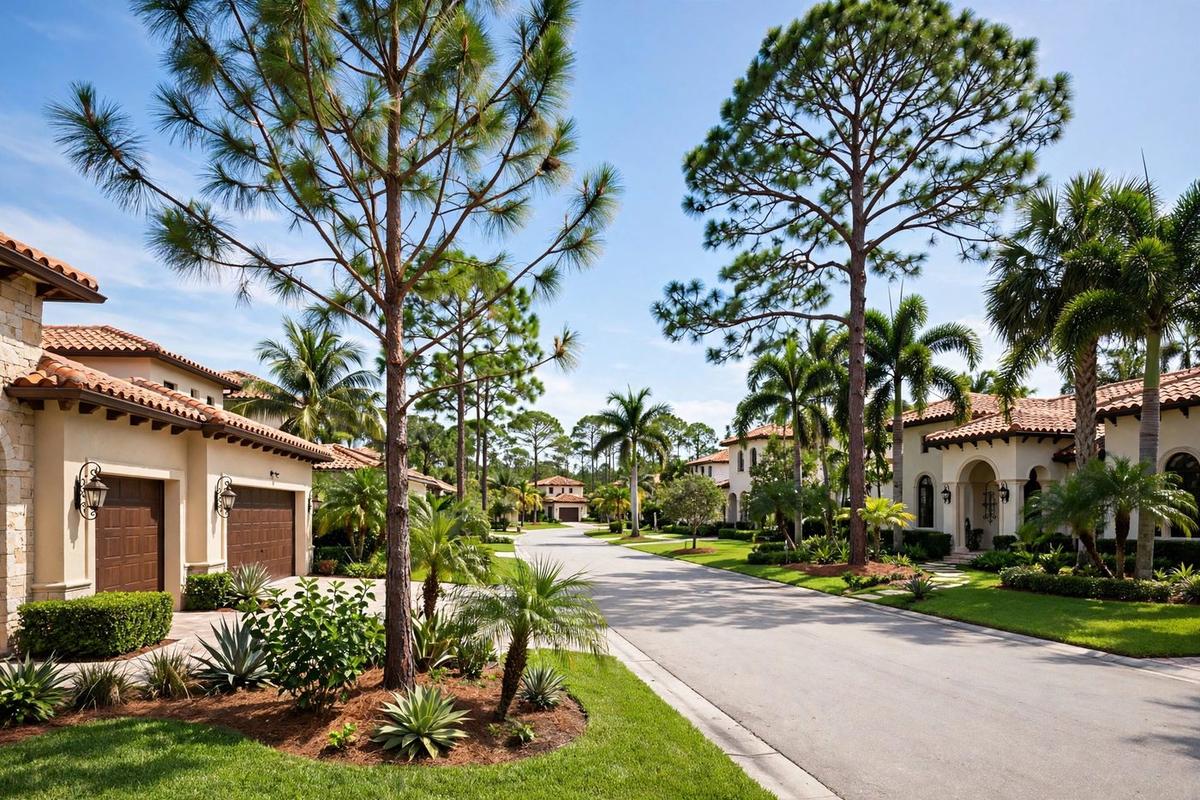
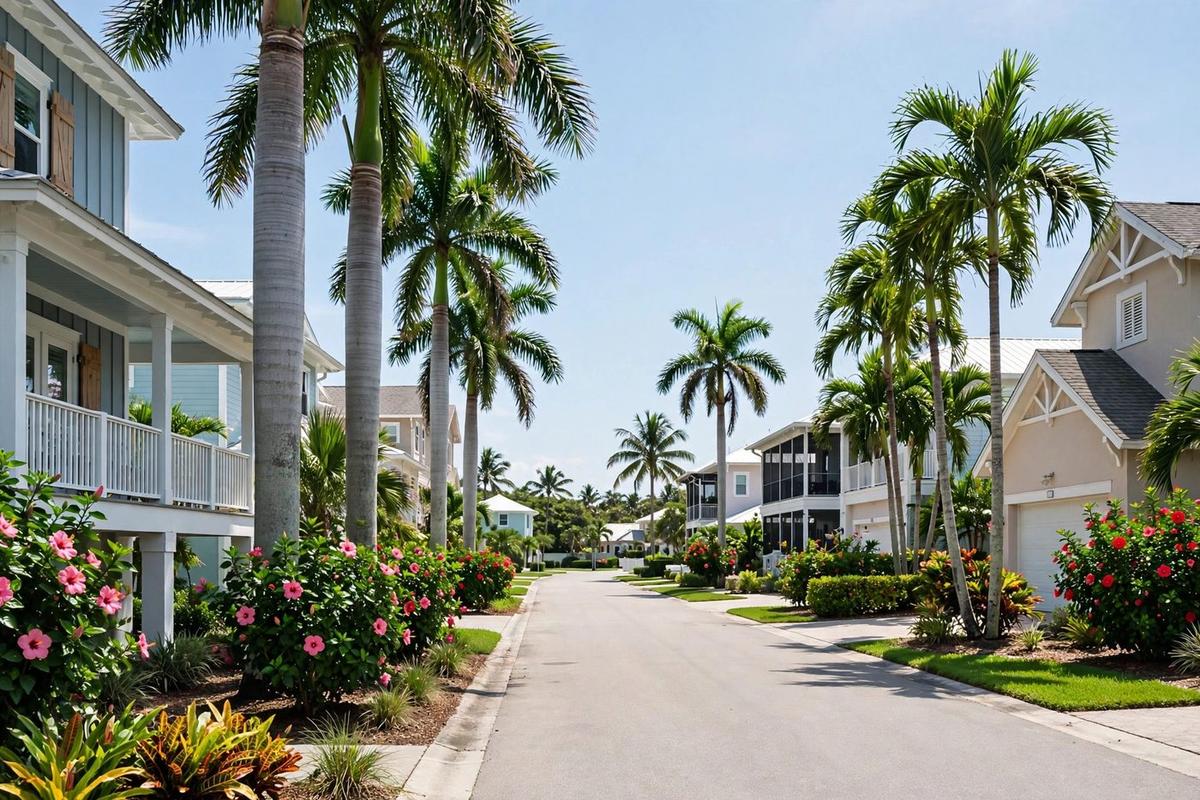
In the sample compiled for this report, 29 of 37 older homes on Marco Island's 34145 were acquired by builders and redeveloped as new construction, a builder-demand rate of 78.4%, ranking 12th of 189 neighborhoods in this study (Legacy Off-Market, 2026). The older homes that changed hands sold for, on average, 27.0% of what new construction commands on a comparable lot. On a barrier island where the new product is an elevated concrete home built to current hurricane code, the older product, a 1960s or 1970s ranch at grade, is increasingly not a house to the market at all. It is a homesite with a site-preparation line item, and the storm-retrofit bill is the quiet force pushing sellers toward that conclusion.
Key Findings
- 78.4% builder-demand rate, ranked #12, 29 of 37 sampled homes built in 1980 or earlier in 34145 were acquired by builders and redeveloped, the 12th-highest composite rank among the 189 neighborhoods studied.
- 27.0% price ratio, older homes sold for just over a quarter of new-build prices on comparable lots, meaning nearly three-quarters of new-home value sits in the land.
- 8,712 sq ft minimum lot, the smallest parcel in the sample; Marco Island lots run generous, and waterfront or water-access frontage concentrates the land premium.
- The storm-retrofit bill decides fates, bringing a 1970s ranch to current flood and wind code can cost more than the structure is worth, which is why buyers increasingly skip the retrofit and start over.
- One buyer type dominates the record, the purchaser of an older Marco Island home is, nearly four times out of five, buying the lot, not the house.
What does the builder-acquisition record in 34145 actually show?
It shows a barrier island rebuilding itself to current code, one lot at a time. Of 37 homes in the 34145 sample built in 1980 or earlier, 29 were acquired by builders and redeveloped, 78.4%, and the ZIP ranks 12th of 189 neighborhoods on the study's composite ranking. Marco Island's housing stock tells the story plainly: the island was substantially developed in the 1960s through the early 1980s, when slab-on-grade ranch homes were the standard product. Today's buyer expects elevated living space, impact glass, and concrete construction rated for the storms the island actually gets. The gap between those two products is not cosmetic. It is structural, and in most cases it is cheaper to close by redevelopment than by renovation.
The pattern is visible from the water. Along the island's canal streets and waterfront corridors, elevated new builds with boat lifts and outdoor living levels rise beside original ranch homes sitting low behind seawalls built for a different era. The amenity buyers pay for, the island itself, the Gulf access, the beach, is fixed. The structure is the variable, and the record shows the market replacing it.
One caution keeps this finding honest: a builder-acquisition rate describes what buyers did with homes they already bought, not what any single seller will receive. That requires the price record, which is the next section.
Marco Island does not stand alone in this series. West Palm Beach local submarket ranks 11th of 189 neighborhoods with an 81.6% builder-acquisition rate, and Greensboro local submarket ranks 13th with an 87.5% rate. Different coasts, same verdict: the older structure is the packaging, and the land is the purchase. The island's closest luxury peer is Old Naples / Port Royal / Aqualane Shores, ranked 2nd of 189 neighborhoods with a 71.2% builder-acquisition rate.
How wide is the gap between an older home and a new build?
Wide, and the width is almost entirely about code, elevation, and risk. In the 34145 sample, older homes sold for an average of 27.0% of the price of new construction on comparable lots. In concrete terms: where a new elevated home sells for $3,000,000, the older ranch nearby changed hands for roughly $810,000. The $2.19 million difference is not explained by finishes. It is explained by the fact that one buyer purchased a home insurable and financeable under current standards, and the other purchased a lot with a structure the market values near zero.
Averages hide the waterfront divide. The 27.0% figure blends interior-lot ranches with direct-waterfront cottages, and on Marco Island the water frontage carries an enormous share of the land value. A gulf-access lot with a deep-water canal commands a new-build comp set far above an interior street. But the ratio's direction holds across both: whether the lot is worth $1.5 million or $4 million, the aging structure contributes little to the transaction price.
The honest distinction is between a list price and a land price. Older island homes often list at prices that imply the structure has value, $1.1 million, $1.3 million, and then sit, because the buyer pool that will pay structure prices for a 1972 ranch at grade is thin: cash buyers willing to self-insure, or investors. The land buyer pays the lot price promptly. The gap between the aspirational list price and the land price is measured in months of carrying cost, which the next sections price out.
What is the lot itself worth?
It can be estimated from the new-build comp set, and on Marco Island the arithmetic is unusually transparent. This is the question sellers ask most in every market in this study: how do off-market buyers actually price land? Start with the "as-new" value. Recent new construction on Marco Island has sold in the $2.5M to $5M range depending on waterfront position, lot size, and elevation design (Redfin, 2026). Subtract construction cost, elevated concrete construction with piling foundations, impact systems, and high-end outdoor living runs well above mainland costs, subtract permits, floodplain compliance, financing, and the builder's margin, then subtract site work.
Worked as an illustration, not a promise: a $3,200,000 new-build sale, minus roughly $1,400,000 in hard and soft construction costs for elevated island construction, minus a builder margin near 20%, leaves a residual land value in the neighborhood of $1,100,000 to $1,300,000, before site preparation of $30,000 to $50,000 and seawall work that can add substantially more. The residual is the number a land buyer negotiates against.
Three things move that number on the island. Water position is first and dominant: direct Gulf access versus interior canal versus dry lot can swing the residual by multiples. Second is elevation and flood-zone designation, which dictate foundation cost, a lot requiring deep pilings yields a smaller residual than one that does not. Third is lot size: at an 8,712 sq ft minimum in the sample, with many island lots larger, width for the elevated footprint matters. A seller who knows which of these their lot carries negotiates from the builder's own math. A seller who lists "a charming ranch" negotiates from nostalgia.
Should you fix it up or sell as-is?
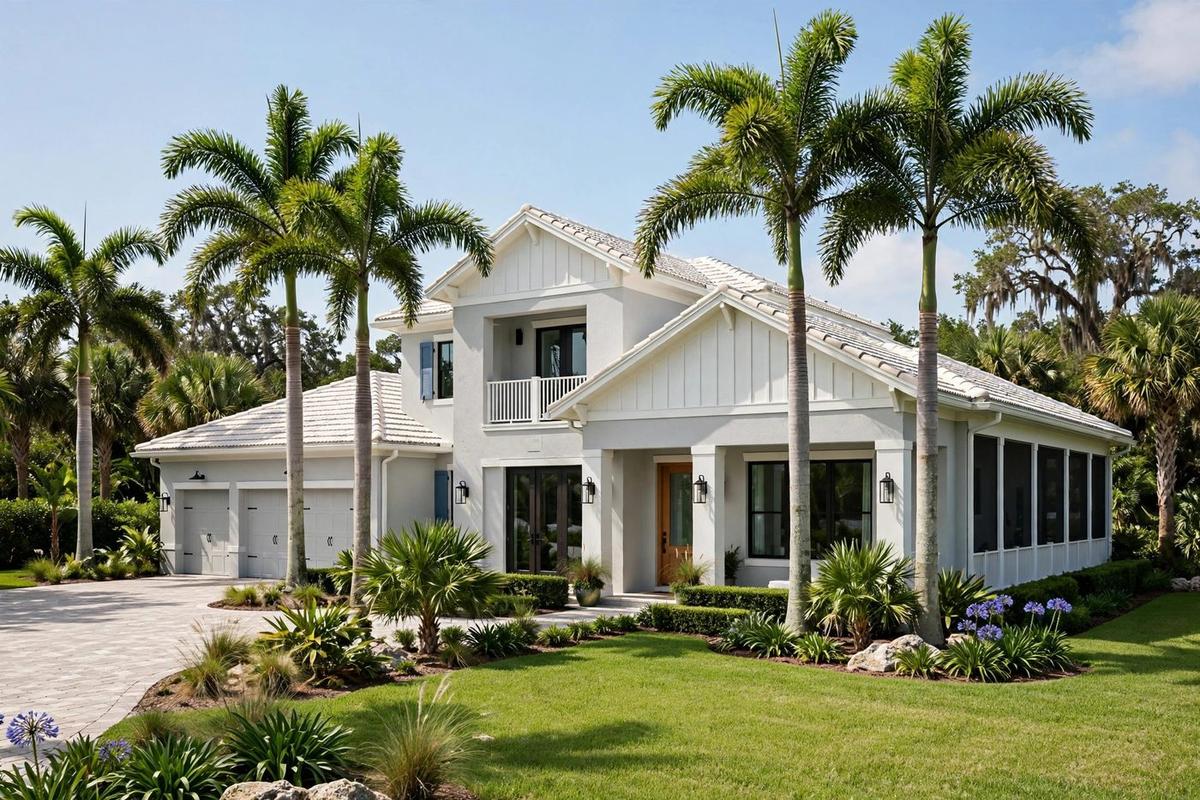
On Marco Island, the retrofit question usually answers itself, against renovating. "Sell as-is or fix it up?" is the most-asked question type in the seller research behind this series, and here the math is unusually stark. Bringing a 1970s slab-on-grade ranch to current flood elevation and wind code is not a kitchen-and-bath project. It can mean lifting the structure or gutting to the studs, replacing every opening with impact glass, re-roofing to current standards, and upgrading electrical and plumbing, a bill that routinely runs into the hundreds of thousands of dollars, often exceeding what the finished structure adds to the sale price.
Consider the alternative arithmetic. A $150,000 cosmetic update might lift the sale price by $80,000 to $100,000 for a live-in buyer, a partial return. If the buyer is a builder redeveloping the lot, it returns $0. With 78.4% of sampled older homes acquired by builders, the probability-weighted return on pre-sale spending is poor, and the full-code retrofit, the only renovation that changes the buyer pool, costs more than the land buyer will ever credit.
The exception is narrow: a well-kept older home on a dry interior lot, where the retrofit bill is modest and the live-in buyer pool is real, can justify targeted updates. But that is a property-specific judgment, not a default. The default in 34145, on the record, is that the buyer is purchasing the lot and pricing the structure at site-preparation cost. Spending on finishes the buyer will strip is the most expensive possible way to discover that.
What does listing on the open market really cost?
More than the commission suggests, because island market time is seasonal and insurance-sensitive. The full ledger for a traditional listing in 34145 looks like this.
First, the commission: typically 5% to 6% of the sale price in the Marco Island market. On a $1,100,000 sale, that is $55,000 to $66,000 off the top (National Association of Realtors, 2025). Second, seller-side closing costs, title, documentary stamps, prorations, commonly another 1% to 2%. Third, concessions: buyers of older island homes routinely demand credits after inspections reveal roof age, electrical panels, or flood-zone issues, frequently $20,000 to $50,000 on aging inventory.
Fourth, and decisive on an island, is carrying cost over market time. Marco Island's buyer traffic is seasonal; an older home listed after season can sit six to nine months waiting for the next wave. Every month costs mortgage or equity carry, taxes, insurance (expensive on an older island home), utilities, and maintenance, $5,000 to $10,000 a month is realistic. Six months of market time burns $30,000 to $60,000 in pure hold expense, before any price reduction.
Add the midpoints and a $1,100,000 list price nets the seller something in the low-to-mid $900,000s after a normal cycle, and that assumes the listing survives the inspection and insurance gauntlets without a reduction. The net-proceeds figure, not the list price, is what an off-market offer should be measured against.
How do you handle a cash buyer, and how do you tell one from a wholesaler?
Verify funds, verify closings, and get the post-closing plan in plain English. "How do I handle cash buyers?" is among the most common real questions sellers ask, and on Marco Island the cash-buyer pitch is constant, which is exactly why verification matters.
The distinction is structural. A principal buyer like Legacy Off-Market purchases the property itself, with its own capital, closes in its own name, and then places the property with a vetted builder, disclosed up front. That is wholesaling done honestly: the company buys, it does not shop your contract around. A contract-flipper signs a purchase contract with no means or intent to close, then shops the contract to a real buyer for a fee, profiting from the spread between the offer and the end buyer's price. The flipper's model requires paying the seller less than a funded buyer would, because the fee comes out of the seller's equity.
Three verifications separate them. First, proof of funds in the buyer's name, dated within the last 30 days, not a pre-approval, not a letter from a "private lender." Second, a record of actually closed purchases: recorded deeds in the buyer's entity name, checkable in county records (Collier County Clerk of Court, 2026). Third, the contract itself: a buyer who closes in the name on the contract posts a meaningful earnest-money deposit, typically 1% or more, forfeited if it walks away, and discloses plainly what happens after closing. A token deposit plus a buyer who will not say what happens next is the signature of a contract that was never meant to close.
Island sellers, many of them absentee, are prime targets for the assignment model, because distance makes verification feel like friction. It is not friction. It is the entire difference between selling to a buyer and donating margin to a middleman. Ask the three questions; legitimate buyers welcome them.
Is it a bad time to sell an older home on Marco Island?
For a home that is a candidate for a builder acquisition, the island's cycle matters less than the structure's, and the structure only ages one way. "Is it a bad time to sell?" is a perennial seller question, and on Marco Island it usually means the seasonal cycle: list in season, when the buyers are here. That advice is sound for the ordinary resale market. The off-market builder market runs on different fundamentals, new-build sale prices, elevated-construction costs, and the supply of island lots, which move on multi-year cycles, not seasons.
Those fundamentals remain constructive. New elevated construction on the island sells to equity-rich buyers whose demand has proven durable, and the permit record shows builders still replacing the 1960s and 1970s stock (Collier County Property Appraiser, 2026). What erodes with delay is the structure's position: every hurricane season an older roof survives is a season closer to the one that forces the insurance or code question, and every year narrows the financed-buyer pool for at-grade homes. The land holds its value. The structure's insurability does not.
That yields the two-part answer. It can be a bad time to list an aging at-grade ranch on the MLS, where it will wait through seasons for a buyer willing to take the retrofit or insurance risk. It is a structurally ordinary time to sell the same property off-market to a land buyer, whose bid is anchored to new-build comps rather than seasonal sentiment. It only ages it.
What does staying off-market buy a Marco Island seller?
On a barrier island where the older product is a ranch at grade and the new product is an elevated concrete home, the listing process adds cost without adding buyers. The off-market alternative offers five measurable gains. First, privacy: zero showings, zero open houses, no public marketing period, a genuine consideration where the social and buyer circles overlap. Second, timing you control: 7 to 21 days to close versus 60 to 120-plus days for a listed older home, with a leaseback if the move needs staging. Third, no commissions: none of the typical 5% to 6% (National Association of Realtors, 2025), roughly $56,000 on a $1,000,000 older-home sale at island prices. Fourth, no seller-side closing costs: none of the usual 1% to 2%, so the 6% to 8% that commissions plus closing costs normally take, over $65,000 on that $1,000,000 transaction, stays with the seller. Fifth, no inspections or repairs: no $10,000 to $30,000 in repair credits or storm-retrofit price reductions, a true as-is sale that matches what a lot buyer wants, which is the lot.
Methodology and limitations
This report is built from three kinds of evidence. The first is Legacy Off-Market's builder-acquisition sample for the 189-neighborhood study: 37 homes in 34145 built in 1980 or earlier, 29 acquired by builders and redeveloped, with an average older-home sale price of 27.0% of new-build prices on comparable lots (Legacy Off-Market, 2026). The second is county records: the Collier County Property Appraiser's parcel and permit data, used to confirm the direction of builder-acquisition and new-construction activity. The third is market data: dated sold listings from Redfin and Zillow for 34145, behind the new-build price ranges cited. The 348 seller questions in the research behind this series selected the questions answered here; they are not evidence.
What was not done: no title search on any property, no inspection of any home's condition, and no verification of any new-build sale beyond its listing record. The price ranges illustrate from dated listings rather than appraising, and the residual-land arithmetic is a simplified model.
The central limitation is the sample. Thirty-seven homes chosen for older-home characteristics cannot speak for every parcel on Marco Island. The 78.4% figure describes that sample, which was constructed to find builder acquisitions, so treat it as evidence of a thorough island-wide rebuild, which the permit record supports, not as a census of 34145.
Conclusion
So what happens to an older Marco Island home that new buyers will not live in? On the record assembled here, it gets bought for its lot: 78.4% of sampled older homes were acquired by builders, and older homes changed hands at 27.0% of new-build prices. The island is rebuilding its 1960s and 1970s stock to current code, and the market prices that transition into every older-home transaction, whether the seller recognizes it or not. A seller who prices the house invites months of seasonal market time, insurance friction, and inspection renegotiation. A seller who prices the homesite meets the buyer the record says is coming.
The throughline is consistent. The storm-retrofit bill is what makes renovation the losing play. The land residual is the number that matters, and the flipper's spread is the tax on sellers who skip verification.
Legacy Off-Market buys directly on Marco Island and across the other 188 neighborhoods in this study, as a principal with its own capital, then places each property with a vetted local builder, with proof of funds and recorded closings behind every offer. Island sellers can start with the acquisitions team at 401-219-4207 or aidansowa@outlook.com.
When nearly four out of five older homes were bought for the land beneath them, is your home the exception, or is the market telling you what it is?
Frequently Asked Questions
How do I know if Legacy Off-Market buys in my ZIP code?
The company buys in the 189 neighborhoods ranked in this builder-acquisition study, with 34145 (Marco Island, Florida) ranked 12th. Enter your ZIP in the coverage checker to confirm, or call 401-219-4207.
Will I get less selling off-market than listing with an agent?
Compare what you keep. A listed island home sheds commission, closing costs, storm-retrofit concessions, and carrying costs over a long market time. The off-market offer skips every one of those.
Do I need to make repairs before selling off-market?
No. Off-market means as-is. Where the buyer is pricing an elevated concrete replacement, pre-sale improvements to an at-grade ranch return nothing.
How fast can an off-market sale close?
Seven to 21 days is the typical off-market close, versus 60 to 120-plus days for a listed older home. The seller picks the date, and a leaseback can cover the gap to the next home.
How is an off-market buyer different from a wholesaler?
The principal buyer closes in its own name with its own funds and posts a real deposit it forfeits by walking away, then discloses what happens after closing. Legacy Off-Market buys with its own capital and then places the property with a vetted builder, disclosed up front. The contract-flipper sells your contract to someone else for a fee. Verify funds, recorded closings, and a plain-English post-closing explanation.
What does Legacy Off-Market need from me to make an offer?
Just the address, your timeline, and permission to pull public records. No showings, no staging, no open houses. Reach the team at 401-219-4207 or aidansowa@outlook.com.
Sources
- Collier County Property Appraiser, 2026. Parcel and permit records for Marco Island, Florida. Official record.
- Legacy Off-Market, 2026. Builder-acquisition sample for the 189-neighborhood study: 37 homes sampled in 34145, 29 acquired by builders and redeveloped, avg. older-home price 27.0% of new build. Market data.
- Legacy Off-Market, 2026. Coverage checker and company site. Industry report.
- National Association of Realtors, 2025. Typical seller commission structures in the Naples-Marco Island market. Industry report.
- Redfin, 2026. Recently sold homes and new construction in ZIP code 34145, Marco Island, Florida. Market data.
- U.S. Census Bureau, 2025. QuickFacts: Marco Island city, Florida. Government data.
- Zillow, 2026. Home values and recently sold homes in ZIP code 34145. Market data.