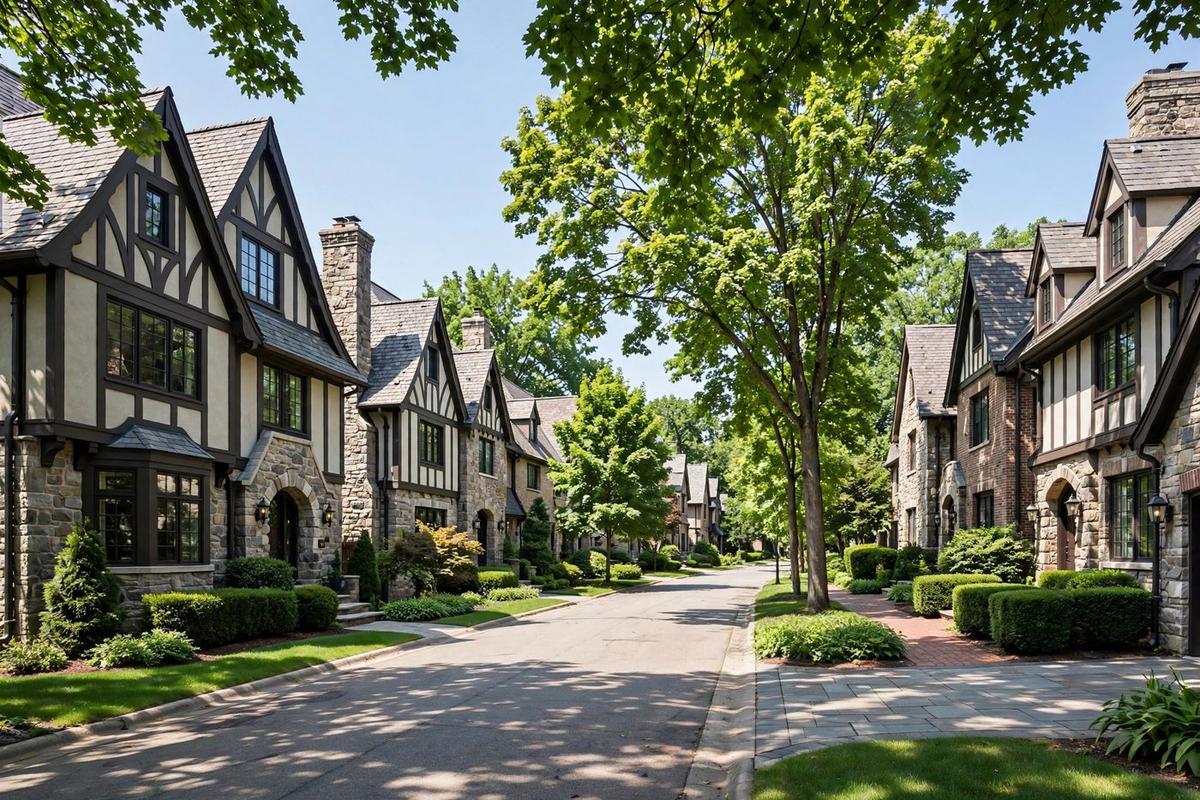
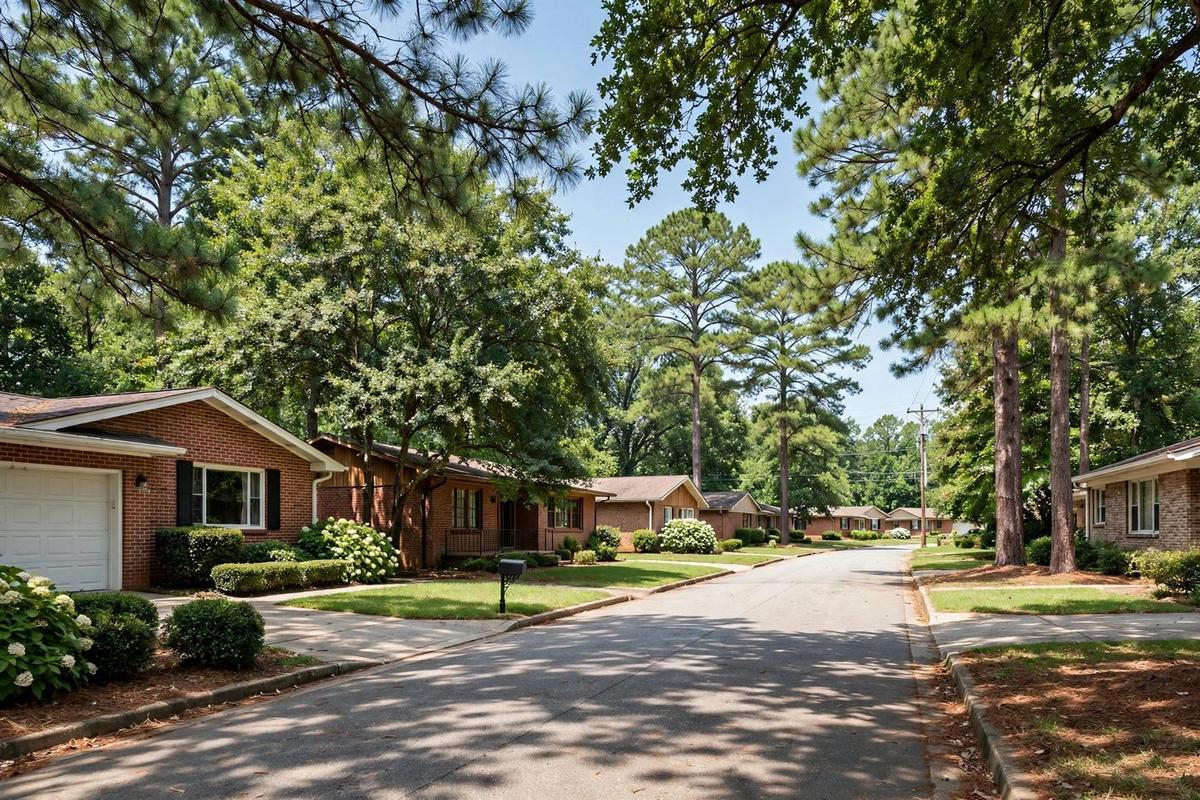
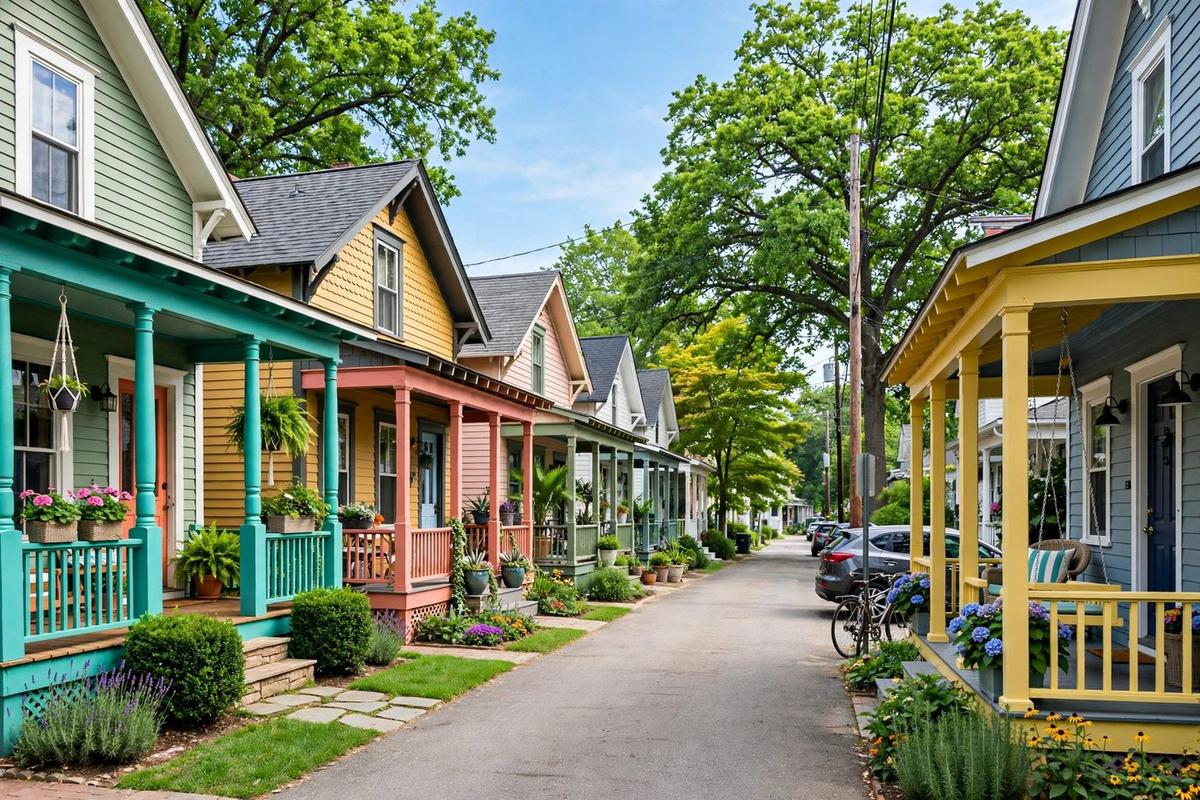
In the sample compiled for this report, 14 of 35 older homes in Nashville's 37204, the 12 South and Belmont neighborhoods, were acquired by builders and redeveloped with new construction, a builder-demand rate of 40.0%, ranked 37th of 189 neighborhoods in the study (Legacy Off-Market, 2026). The older homes that changed hands sold for, on average, 48.4% of what new construction commands on a comparable lot, the highest ratio in the study, meaning the smallest price gap. The reason is visible on every block: 1920s craftsman bungalows that buyers actually want to live in, historic conservation overlays that constrain what can be acquired by builders, and a renovation culture strong enough that the question here is genuinely different. In 37204, unlike most builder-acquisition ZIPs, the house itself still has a market. The seller's job is figuring out which market their house belongs to, the bungalow's or the lot's.
Key Findings
- 40.0% builder-demand rate, ranked #37, 14 of 35 sampled homes built in 1980 or earlier in 37204 were acquired by builders and redeveloped, the study's largest single-neighborhood sample.
- 48.4% price ratio, the highest in the study: older homes sold for nearly half of new-build prices, the smallest price gap.
- $3M new-build benchmark, a 2025-built home on 12th Avenue South sold for $3,000,000 in September 2025 (Redfin, 2026).
- 3,049 sq ft minimum lot, the smallest in the study; tall-and-skinny infill is the replacement product.
- Two buyer pools, honestly, 12 South is the rare builder-demand ZIP where the renovated bungalow genuinely competes.
What does the builder-acquisition record in 37204 actually show?
A real but contested off-market builder market, 14 of 35 sampled homes acquired by builders, against strong preservation pressure. The 40.0% rate ranks 37th of 189 neighborhoods in the study, and the 35-home sample is the largest in the study, which makes the finding more stable than the smaller samples. (Rank weights sample depth and the price-ratio signal alongside the rate, it describes the quality of the evidence, not just the site preparation count.) The contested builder-acquisition dynamic is not unique to Nashville: Lake Havasu City ranked 35th of 189 neighborhoods with a 75.0% builder-demand rate, and Bella Collina ranked 38th with a 45.2% rate.
What makes 37204 different is the resistance. The 1920s craftsman bungalows of 12 South and Belmont are not generic builder acquisitions, they are the housing stock buyers moved to Nashville for. Historic conservation overlays in parts of the neighborhood constrain site preparation and regulate what replaces it, which slows the builder-acquisition cycle relative to unrestricted corridors. And the renovation culture is real: buyers pay premiums for restored bungalows with original millwork, sleeping porches, and walkability to the 12South commercial strip.
None of which stops the economics. Where overlays don't apply and lots allow it, builders replace bungalows with tall-and-skinny infill, narrow, vertical new construction that maximizes square footage on small urban lots. The $3,000,000 sale of a 2025-built, 5,055-square-foot home on 12th Avenue South in September 2025 shows what the replacement product commands (Redfin, 2026). The off-market builder market here is not a site preparation wave. It is a block-by-block negotiation between preservation and price.
The honest cautions: the 35-home sample was built to find builder acquisitions, so the true ZIP-wide share acquired by builders is lower than 40.0%. And a builder-demand rate records what buyers did with homes they already bought, demand evidence, not a price tag. In 37204, that demand splits two ways, which is what the next sections untangle.
Why is the price gap the smallest in this batch?
Because the older homes here are worth more as houses. The 48.4% ratio, older homes selling for nearly half of new-build prices, is the highest in the study, nearly double Birmingham's 20.3%. The gap is small for two structural reasons.
First, the bungalow premium. A restored 1920s craftsman in 12 South is not a functionally obsolete structure, it is a differentiated product with genuine buyer demand. Original character, walkability, and neighborhood identity command prices that generic 1960s ranches in other markets cannot. When older homes sell for 48.4% of new builds instead of 20%, the difference is the shelter value the market assigns to the house itself.
Second, the overlays. Historic conservation zoning constrains what can be acquired by builders and what can replace it, which does two things: it reduces the supply of builder-acquisition-eligible lots (supporting land prices on the ones that qualify) and it protects the character premium of the surviving bungalows. Regulation here functions as a moat around the older-home market.
But 48.4% is still less than half. Even in the study's strongest older-home market, new construction commands more than double the older-home price, and the $3,000,000 12th Avenue sale shows the ceiling. For contrast, Birmingham ranked 36th of 189 neighborhoods with a 100.0% builder-demand rate, the study's only perfect builder-acquisition record. The small gap doesn't mean builder acquisitions don't happen here. It means the seller's decision is genuinely close: the renovated bungalow and the development lot are both real assets with real buyers. Pricing requires knowing which one you own.
Can your bungalow compete with new construction next door?
Sometimes, and 37204 is the ZIP in this study where the answer is most often yes. "Should I renovate or sell as-is?" is the most-asked question type in the seller research, and here it deserves a more careful answer than the builder-acquisition markets give.
The case for competing: a well-renovated craftsman bungalow in 12 South sells to buyers who specifically want a bungalow, character, scale, street presence, and who will pay a premium over the generic older home. If your home has original millwork, a sound structure, and a floor plan that works, targeted renovation can capture the shelter premium that the 48.4% ratio documents. The buyers exist. The comps exist. This is not wishful thinking; it is the market the ratio describes.
The case against: the math still has to work. Buyers comparing your renovated 1925 bungalow against new tall-and-skinny construction weigh character against warranties, efficiency, and layout. The renovation that pays leans into what new construction can't replicate, original detail, mature streetscape, walkability, not the one that tries to make a bungalow feel new. A $150,000 renovation that produces a generic flip competes directly with new builds and loses. A $150,000 restoration that produces the best bungalow on the block competes in a category of one.
The decision rule: get a candid assessment of whether your home is a restoration candidate or a lot with a house on it. The most expensive mistake in 37204 is renovating a builder-acquisition, and the second most expensive is replacing the structure a bungalow.
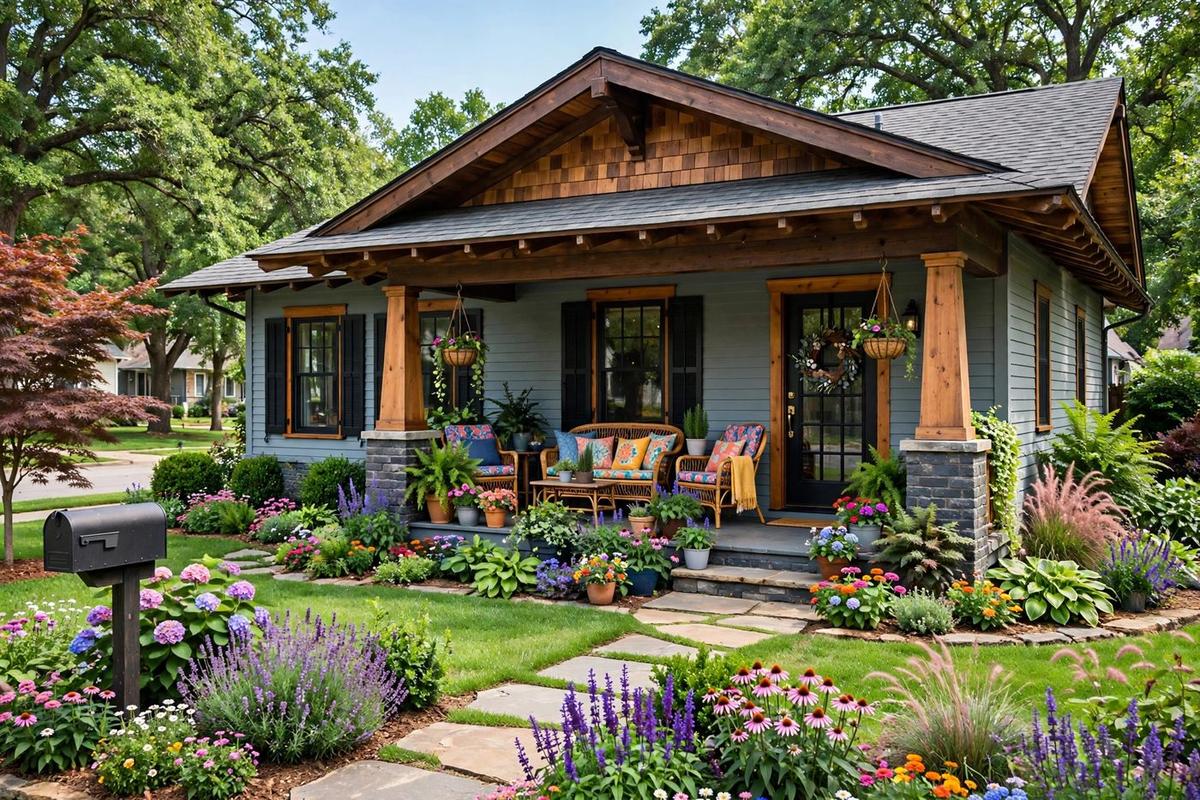
What is the lot itself worth? How do builders do the math?
The residual method, adapted for small lots and tall-skinny economics. Start with the finished product: up to $3,000,000 on 12th Avenue South for a 5,055-square-foot 2025 build (Redfin, 2026). Subtract construction costs for vertical infill, tall-and-skinny builds are efficient per square foot but carry design and engineering costs. Subtract site preparation, permits, financing, and carry. Subtract the builder's margin. The residual is the supportable land price.
The small lots cut both ways. At 3,049 sq ft minimum, the smallest in this batch, the land cost per project is lower, which is why the tall-and-skinny product exists: it makes $3,000,000 projects pencil on lots that couldn't support a sprawling ranch replacement. But small lots also cap the envelope; zoning, setbacks, and overlays determine how much square footage the builder can actually sell. A 3,000 sq ft lot with generous height allowances is a different asset than the same lot under a conservation overlay that caps massing.
For the seller, the practical question is which buyer the lot attracts: the tall-and-skinny builder pricing the $3,000,000 comp, or the restoration buyer pricing the bungalow premium. The residual math differs because the finished product differs.
What does "as-is" actually mean?
No repairs, no credits, no inspection renegotiation, and in a dual market like 37204, the definition matters more than usual. "What does as-is mean?" is among the most common real seller questions, and the confusion costs money.
As-is in a direct-buyer contract means the buyer accepts the property in present condition: the 1925 wiring, the aging roof, the sloping floors. No repair addendum, no credit negotiation, no second round after inspection. The offer is the number. For a builder buyer, the structure's condition is already a site preparation line item. For a restoration buyer, as-is means pricing the project honestly, the discount reflects the work, without the theater of an inspection negotiation.
What as-is does not do: it does not waive Tennessee disclosure obligations. Sellers still disclose known material conditions; "as-is" allocates repair costs, it doesn't permit concealment. And it doesn't mean the buyer skips diligence, a direct buyer verifies title, lot lines, zoning, and overlay status, because those determine which of the two products the parcel supports.
If the buyer is a builder, as-is is the only rational sale. If the buyer is a restoration family, light preparation (clean, clear, honest, not renovated) can help the bungalow compete. Know the buyer pool before choosing.
How do you tell a direct cash buyer from a wholesaler?
Proof of funds, recorded closings, and a non-assignable contract. Nashville's hot market and publicized $3,000,000 new-build comps attract both principal buyers and contract flippers.
A direct buyer purchases with its own capital and closes in its own name. A wholesaler signs a contract it won't close and assigns it to an end buyer for a fee out of your equity, which means offering you less than the end buyer would pay.
Three verifications, in order. First, proof of funds in the buyer's own name, dated within 30 days, not a pre-approval, not a "private lender" letter. Second, recorded prior closings in the buyer's entity name, checkable in Davidson County records (Davidson County Register of Deeds, 2026): deeds, not testimonials. Third, the contract, a direct buyer closes in the name on the agreement, posts earnest money of 1% or more forfeited by walking, and there is no assignment clause. An assignment clause with a token deposit is the signature of a contract never meant to close.
Ask which buyer pool the offer represents, land value or bungalow value. Real buyers can show the math.
What does a listing really net, and what is the off-market alternative?
Run the ledger, then compare it against the right buyer. On a $900,000 12 South sale, between the bungalow band and the new-build comps, a 5% to 6% commission is $45,000 to $54,000 (National Association of Realtors, 2025). Tennessee seller closing costs, title, transfer tax, prorations, add roughly 1% to 2%. Inspection credits on a century-old bungalow commonly run $15,000 to $40,000: old wiring, old plumbing, and foundation quirks are the standard second negotiation. Carrying costs, mortgage or equity opportunity cost, taxes, insurance, utilities, run $4,500 to $8,000 a month. Two to five months of market time is normal for older inventory: $9,000 to $40,000 of hold expense before any price reduction.
Add the midpoints and a $900,000 list nets in the high $700,000s to low $800,000s after a normal cycle. That net, not the price, is what an off-market offer should be measured against.
Now the alternative, honestly stated. A direct cash buyer in 37204 is usually pricing the lot, not the bungalow premium. If your home is a genuine restoration candidate, the listing may net more. If it is functionally a builder-acquisition, the off-market sale reaches the builder directly without the listing's friction. The worst outcome is the confused middle: listing a builder-acquisition as a bungalow, or selling a restorable bungalow at land value.
A direct sale closes in 7 to 21 days with the seller setting the date, no appraisal contingency, no lender queue. Compare that all-in number against the listing's net. In 37204, the right answer depends on the house, which is exactly why the question matters here more than in most neighborhoods in this study.
What makes the off-market path different in practice?
Five structural differences between listing and selling direct, with the numbers attached. In a dual market like 37204, the off-market advantages deserve a careful reading, because the right path genuinely depends on which buyer pool your home belongs to.
First, privacy: zero showings, zero open houses, no public marketing period. No listing photographs on the portals, no open-house weekends, no neighbors watching the days-on-market and speculating. For a seller on a block where everyone knows the bungalows, that discretion matters.
Second, timing: a direct purchase typically closes in 7 to 21 days from signed contract, versus 60 to 120-plus days for a listed older home, and the seller sets the date, including a delayed closing or a short leaseback when the next home is not ready. For a seller weighing restoration against a land sale, that flexibility buys decision time without market-time costs.
Third, no commissions. A listing pays agents on both sides, typically 5% to 6% of the price combined (National Association of Realtors, 2025). A direct sale has no agents, so nothing is owed.
Fourth, no closing costs. Seller-side costs, title, transfer tax, prorations, typically run 1% to 2%. Commissions plus closing costs commonly exceed $50,000 on a $900,000 sale, the price level used in this report's listing example. A direct purchase has none of these line items.
Fifth, no inspections or repairs. The sale is as-is in the full sense: no inspection contingency, no $10,000 to $30,000 in repair credits or price reductions when the inspector finds century-old wiring and plumbing, no renegotiation round. The buyer underwrites the property as it stands, whether pricing a restoration or a site preparation.
Methodology and limitations
Four evidence sources sit behind this report. First, the builder-acquisition sample built for the 189-neighborhood study: 35 homes in 37204 constructed in 1980 or earlier, 14 acquired by builders and redeveloped, with older homes selling at 48.4% of new-build prices on comparable lots (Legacy Off-Market, 2026). Second, Davidson County Assessor parcel records, used to confirm the direction of site preparation and rebuild activity rather than any single parcel's outcome. Third, market records: dated sold and new-construction listings for 37204 from Redfin and Zillow, including the $3,000,000 12th Avenue South sale. Fourth, the seller-question research, 348 distinct real questions from home sellers, which chose the questions answered here. The study's ranking and sampling rules are published on its methodology page.
Not done: no title work on any property, no physical inspection of any home, and no verification of any sale beyond its listing record. The $3,000,000 sale is a single dated comp, an illustration of the replacement ceiling, not the market average. Overlay boundaries and zoning specifics vary block by block and were not mapped for this report. The residual-land math is a simplified model; real builder underwriting adds financing structure, entitlement risk, and carry assumptions not modeled here.
The central caveat is the sample. Thirty-five builder-targeted older homes cannot describe every parcel in 37204, and the sample was built to find builder acquisitions, so 40.0% describes the sample, not the ZIP. Read it as evidence of a real, contested off-market builder market, not as a census.
Conclusion
So can your 12 South bungalow compete with new construction next door? On the record assembled here, the answer is: it depends on the bungalow, and 37204 is the rare builder-acquisition ZIP where "it depends" is honest rather than evasive. The 48.4% price ratio, the highest in this batch, documents a real market for the older home as a home. The 40.0% builder-demand rate documents a real market for the lot. The $3,000,000 new build on 12th Avenue documents the ceiling. The conservation overlays document the moat. A seller who knows which asset they own, restoration candidate or development lot, can price against the right buyer. A seller who doesn't risks the two expensive mistakes: renovating a builder-acquisition, or selling a bungalow at land value.
The mechanics are the same as everywhere else in this study. The residual math prices the lot. The net-proceeds ledger, commission, concessions, carrying costs, is the only honest comparison for any offer. A direct buyer closes in weeks with the seller setting the date. And the difference between that buyer and a wholesaler is three verifiable questions, plus a fourth this ZIP earns: show me which buyer pool your number represents.
Legacy Off-Market purchases homes directly, with its own capital, in 37204 and the other 188 neighborhoods in this study. Every offer is backed by proof of funds and a record of closed purchases; the company does not assign contracts to third parties. Sellers who want a number on their property can reach the acquisitions team at 401-219-4207 or aidansowa@outlook.com.
In the one ZIP where the house itself still has a market, which are you selling, the bungalow, or the dirt?
Frequently Asked Questions
How do I know if Legacy Off-Market buys in my ZIP code?
The company buys in 189 neighborhoods across 37 states, and 12 South / Belmont ranks 37th in the study. Enter your ZIP in the coverage checker on the company site to confirm, or call 401-219-4207.
Should I renovate my 12 South bungalow before selling?
If it is a genuine restoration candidate, original character intact, systems manageable, targeted restoration can capture the bungalow premium this market pays. If it is functionally obsolete on a builder's lot, renovation returns $0. Get a candid read on which pool yours falls in before spending a dollar.
How do historic overlays affect my sale?
Conservation overlays can restrict site preparation and cap replacement massing, which protects the bungalow premium but shrinks the builder's residual. Your parcel's overlay status determines which buyer pool applies, so confirm it before pricing.
Will I net less selling off-market than listing?
A $900,000 listing typically nets in the high $700,000s to low $800,000s after commission, concessions, and carry. But a direct buyer usually prices the lot, not the bungalow premium, so if yours is restorable, the listing may net more. Run both paths against the right buyer.
How fast can an off-market sale close?
Seven to 21 days from signed contract, with the seller choosing the date. A listed older bungalow normally needs 60 to 120-plus days including market time.
What does Legacy Off-Market need from me to make an offer?
The address, your timeline, and permission to review public records. No showings, no staging, no open houses, no waiting on a buyer's lender. Call 401-219-4207 or email aidansowa@outlook.com.
Sources
- Davidson County Assessor of Property, 2026. Parcel records, Nashville TN. Official record.
- Legacy Off-Market, 2026. Company coverage and ZIP lookup. Research institute.
- Legacy Off-Market, 2026. 189-neighborhood builder-acquisition study: 35 homes sampled in 37204, 14 acquired by builders, avg. older-home price 48.4% of new build. Research institute.
- National Association of Realtors, 2025. 2025 Profile of Home Buyers and Sellers: commission benchmarks, Nashville market. Industry report.
- Redfin, 2026. Recently sold homes and new construction, ZIP code 37204, Nashville TN. Market data.
- U.S. Census Bureau, 2025. QuickFacts: Nashville-Davidson, Tennessee. Government data.
- Zillow, 2026. Home values and recently sold, 37204. Market data.